Institute of Himalayan Bioresource Technology

A premier research laboratory under the Council of Scientific & Industrial Research (CSIR), dedicated to the sustainable development of bioresources in the ecologically fragile Himalayan region through cutting-edge biotechnology and conservation science.

Explore Our Mission Get In Touch

About IHBT

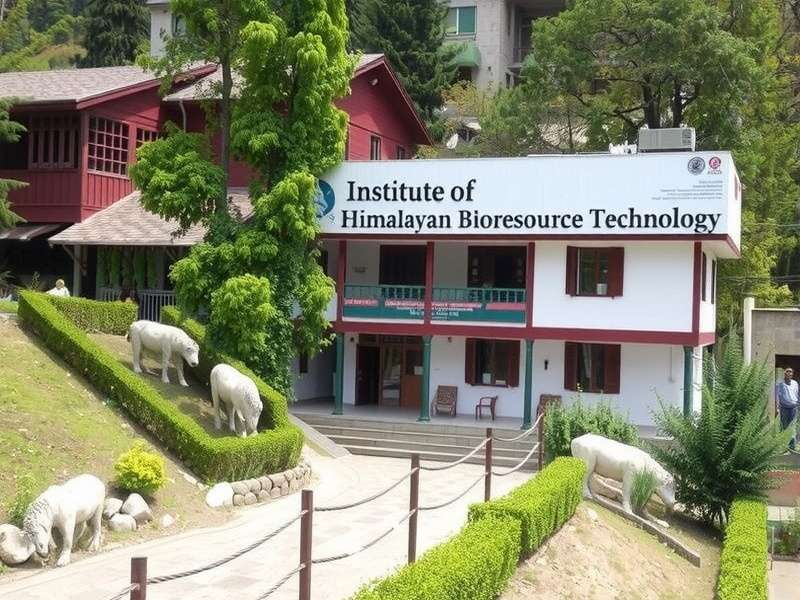
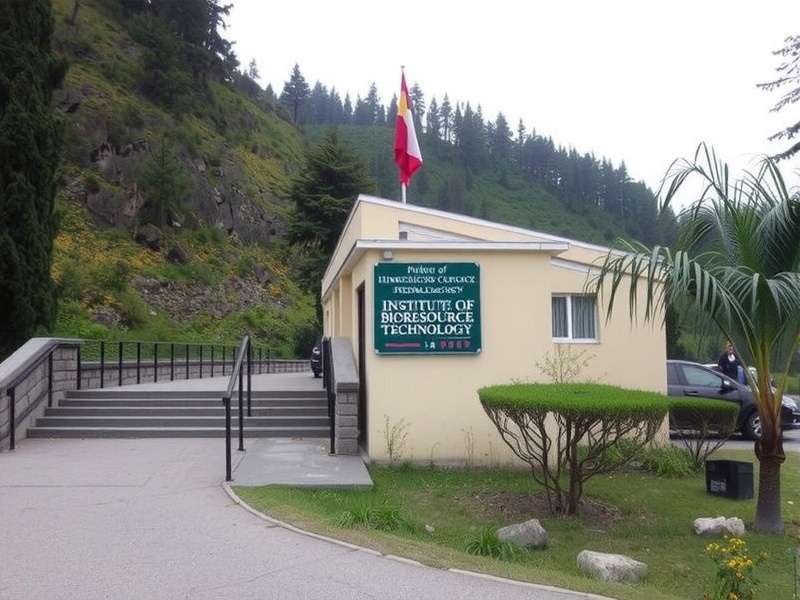
Established in 1983, the Institute of Himalayan Bioresource Technology (IHBT) is a constituent laboratory of the Council of Scientific & Industrial Research (CSIR), Ministry of Science & Technology, Government of India. Located in the serene Kangra Valley of Palampur, Himachal Pradesh, IHBT is strategically positioned at the foothills of the majestic Dhauladhar range of the Himalayas.

The institute's mandate is to conduct innovative research for the conservation and sustainable utilization of the rich bioresources of the Himalayan region. Our work bridges the gap between traditional knowledge and modern biotechnology to develop solutions for agriculture, health, and environmental challenges specific to mountain ecosystems.
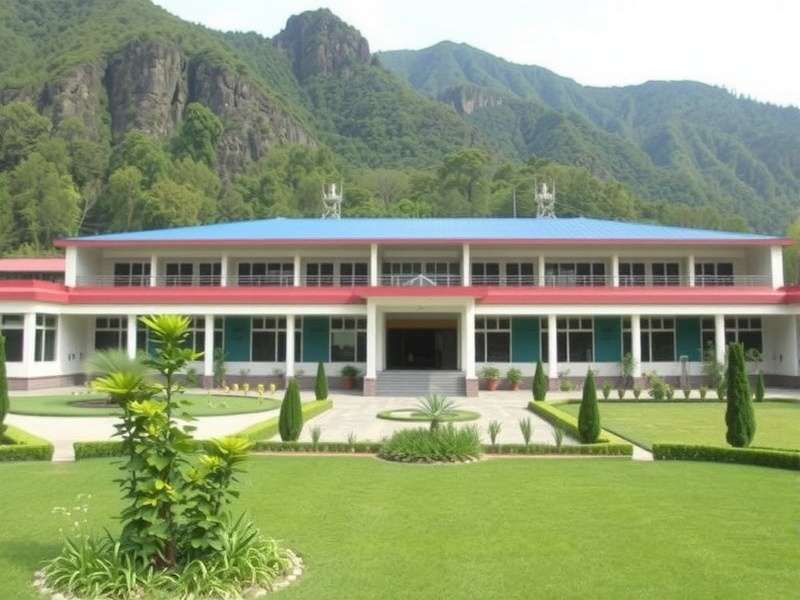
IHBT Campus in Palampur with Himalayan backdrop
40+

Years of Excellence

200+

Scientific Staff

50+

Active Projects

15+

International Partners

Our Core Research Areas

Plant Biotechnology & Agriculture

Developing climate-resilient crop varieties, micropropagation of high-value Himalayan medicinal plants, and biofortification strategies. Our work on apple, cherry, and traditional crops like buckwheat and millets aims to enhance farmer income and food security in hill regions.

  • Tissue Culture & Molecular Breeding
  • Biofertilizer & Pest Management
  • Germplasm Conservation

Natural Product Chemistry

Isolation, characterization, and value-addition of bioactive compounds from Himalayan flora. Research focuses on therapeutic molecules for cancer, diabetes, and neurodegenerative disorders, as well as development of nutraceuticals, cosmeceuticals, and essential oils from aromatic plants.

  • Phytochemical Analysis
  • Drug Discovery Pipeline
  • Essential Oil Technology

Environmental Biotechnology

Addressing environmental challenges of the Himalayas through bioremediation, waste valorization, and microbial technology. Projects include treatment of agricultural and industrial waste, development of biodegradable materials, and studying climate change impacts on mountain ecosystems.

  • Waste to Wealth
  • Microbial Resource Management
  • Carbon Sequestration Studies

Ongoing Flagship Projects

Himalayan Aroma Mission

A CSIR initiative to boost cultivation and processing of aromatic plants like lavender, rosemary, and damask rose in Himachal Pradesh, Uttarakhand, and J&K, creating sustainable livelihood opportunities for farmers.

Bio-Prospecting of Endemic Medicinal Plants

Systematic documentation and scientific validation of therapeutic properties of plants like Picrorhiza kurroa, Rhododendron arboreum, and Taxus wallichiana for developing standardized herbal formulations.

Mountain Agriculture Resilience Program

Integrating traditional wisdom with modern agri-technologies to develop cropping systems resilient to climate variability, soil erosion, and water scarcity in hill and mountain ecosystems.

State-of-the-Art Facilities

Genomics & Proteomics Lab

Equipped with Next-Generation Sequencers, Real-Time PCR systems, and protein purification platforms for advanced molecular biology research.

Advanced Microscopy

Confocal, SEM, and TEM facilities for ultra-structural analysis of plant tissues, microbial cells, and nanomaterials.

Analytical & Separation Science

HPLC, GC-MS, LC-MS, NMR spectroscopy for precise characterization of natural products and metabolites.

Controlled Environment Facility

Walk-in growth chambers, phytotrons, and greenhouses for studying plant responses under simulated climatic conditions.

Our facilities are available for collaborative research and contract services. Contact our Technical Division for access.

Recent Scientific Publications

Our researchers consistently publish in high-impact international journals, contributing to the global scientific knowledge pool. Below is a selection of recent work.

  • Kumar, A., et al. (2023). "Neuroprotective effects of Rhododendron arboreum leaf extract in a transgenic Drosophila model of Alzheimer's disease." Journal of Ethnopharmacology, 305, 116098. DOI Link
  • Sharma, P., & Verma, R. K. (2023). "Metabolomic profiling of Picrorhiza kurroa accessions from different Himalayan altitudes reveals climate-linked chemical diversity." Phytochemistry, 205, 113487. DOI Link
  • Singh, G., et al. (2022). "Development of a micropropagation protocol for mass multiplication of endangered Taxus wallichiana using somatic embryos." Plant Cell, Tissue and Organ Culture, 151(2), 345-357. DOI Link
  • Devi, M., et al. (2022). "A novel thermostable laccase from a Himalayan soil metagenome: cloning, characterization, and application in dye decolorization." Bioresource Technology, 360, 127532. DOI Link
  • Patel, S. K., et al. (2022). "Biochar-mediated enhancement of soil health and growth of rainfed maize in northwestern Himalayas." Agriculture, Ecosystems & Environment, 336, 108019. DOI Link
View Full Publication List
Open Access Repository

A significant portion of our research output is available through open-access platforms, ensuring global reach and impact.

Visit IHBT ePrints Download Annual Report 2023

News & Events

Farmers in field learning new techniques
Training Program
National Workshop on Aromatic Plant Cultivation Concludes

Over 150 farmers from 5 Himalayan states participated in a 5-day hands-on training on cultivation, distillation, and marketing of lavender and rosemary.

March 15, 2024

Scientist receiving award on stage
Award
Dr. Meena Sharma Receives CSIR Technology Award

For her pioneering work on developing a commercially viable process for extraction of high-purity picrosides from Picrorhiza kurroa.

February 28, 2024

International delegates at a conference table
Collaboration
MoU Signed with University of Zurich for Alpine Research

A new collaborative framework established to compare biodiversity and climate adaptation strategies in the Himalayas and the Alps.

January 10, 2024

Strategic Collaborations

IHBT partners with national and international institutions, industry, and NGOs to amplify the impact of its research and development initiatives.

Academic Partners

Collaborative PhD programs and joint research projects with IITs, NITs, Central Universities, and institutions like the University of Trans-Disciplinary Health Sciences & Technology (TDU).

Industry Linkages

Technology transfer and contract research for companies in pharma (Dr. Reddy's, Himalaya), FMCG (ITC, Dabur), and aroma sectors. Incubation support for agri-tech startups.

International Networks

Active member of global consortia like the International Centre for Integrated Mountain Development (ICIMOD) and partnerships with research bodies in Switzerland, Japan, and the UK.

Friends & Partners

Contact Us

Get in Touch

We welcome inquiries from researchers, students, entrepreneurs, and collaborators. Reach out to us through any of the channels below.

Address

Institute of Himalayan Bioresource Technology (CSIR-IHBT)
Post Box No. 6, Palampur - 176061
District Kangra, Himachal Pradesh, INDIA

Phone

+91-1894-233339 (Reception)
+91-1894-230722 (Director's Office)

Email

General Inquiries: [email protected]
Technology Business: [email protected]

Office Hours

Monday to Friday: 9:00 AM - 5:30 PM IST
Saturday: 9:00 AM - 1:00 PM IST